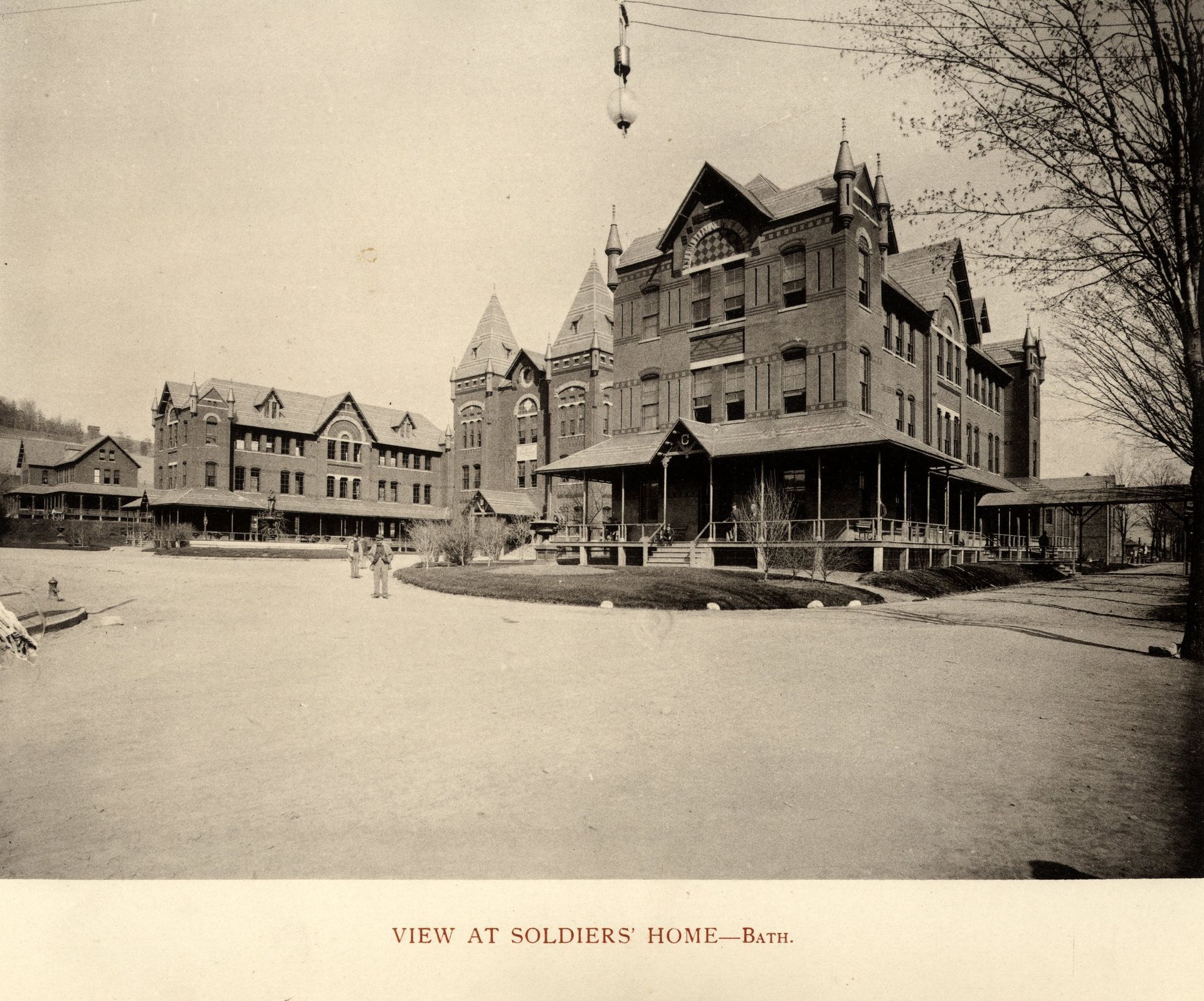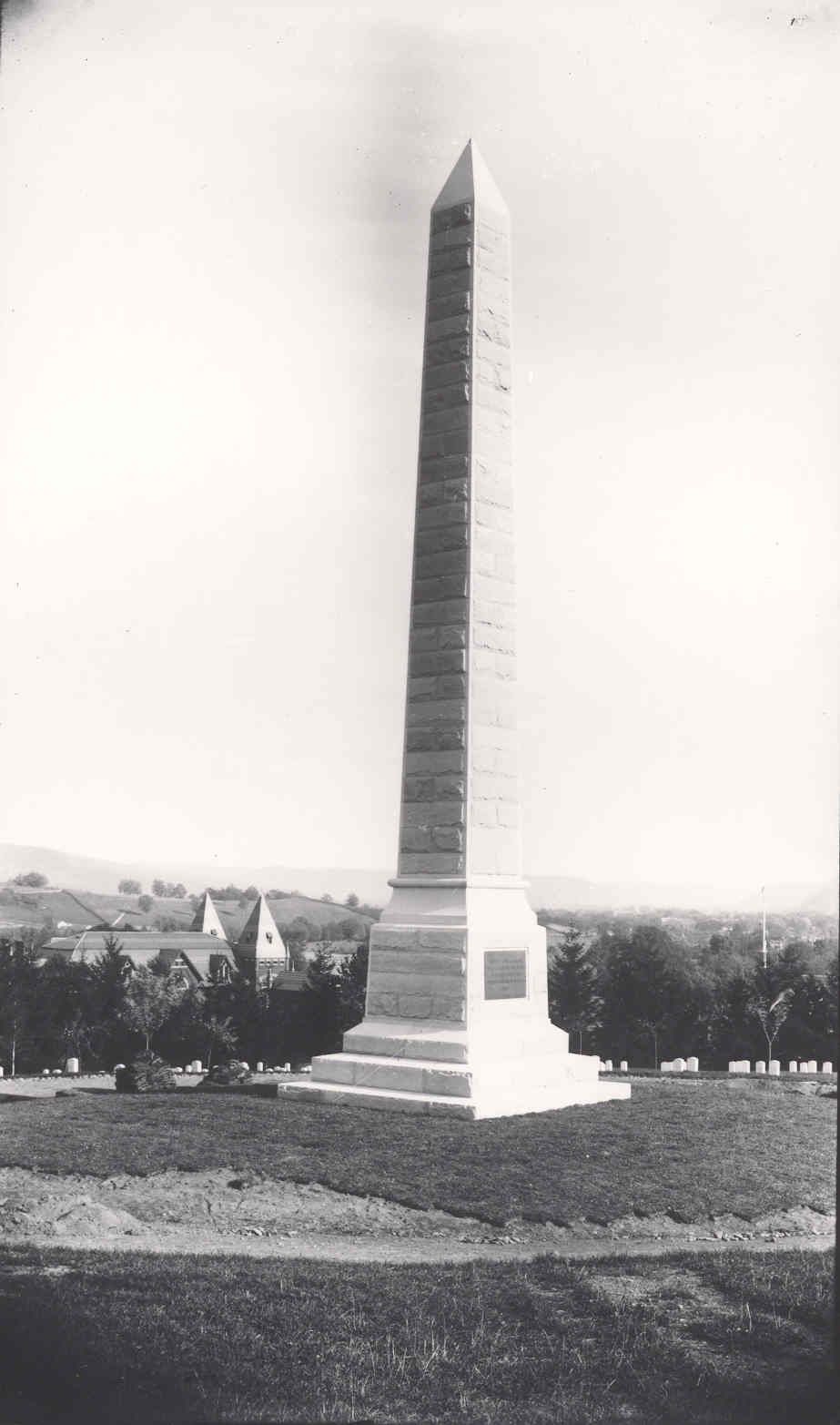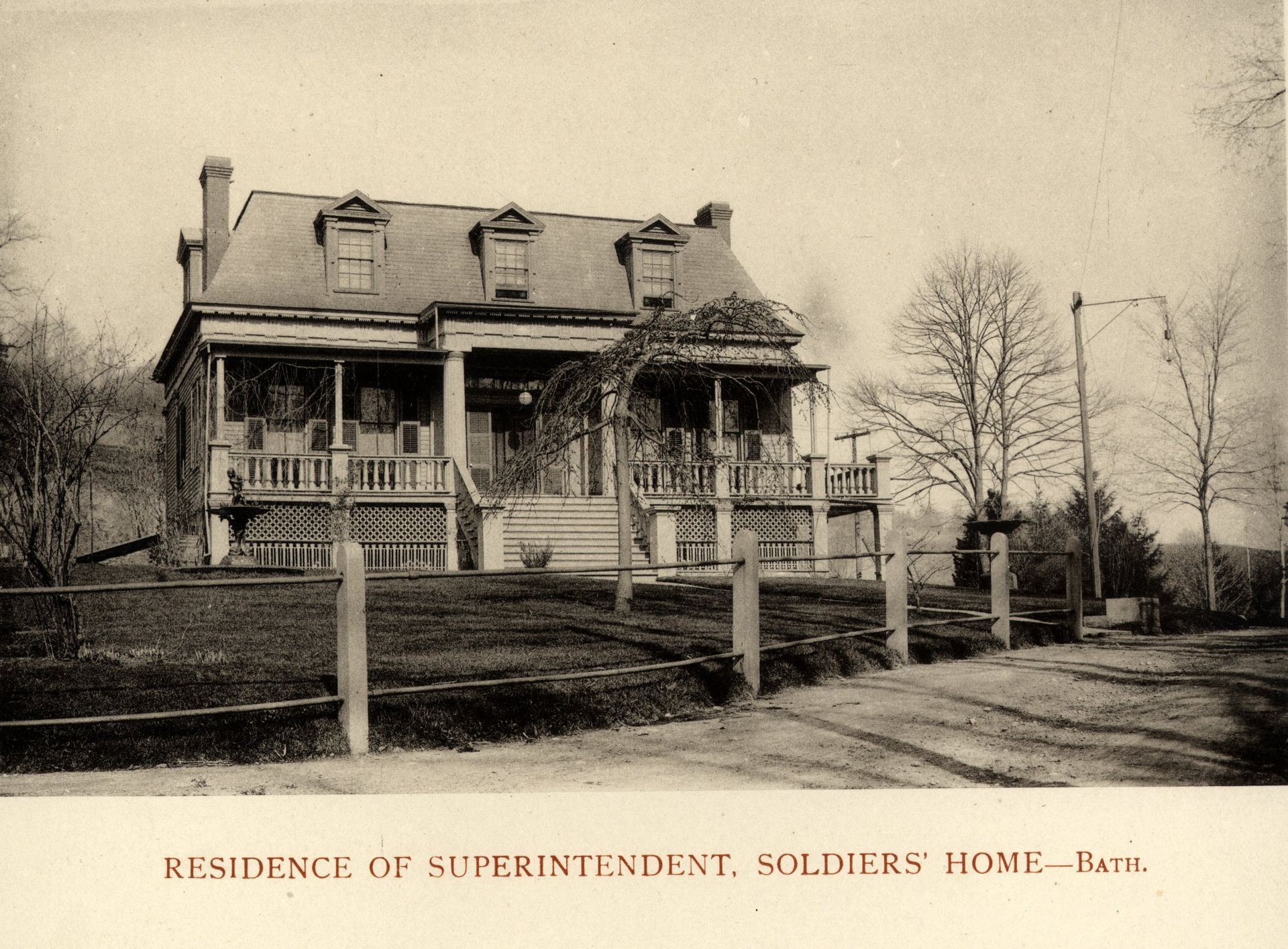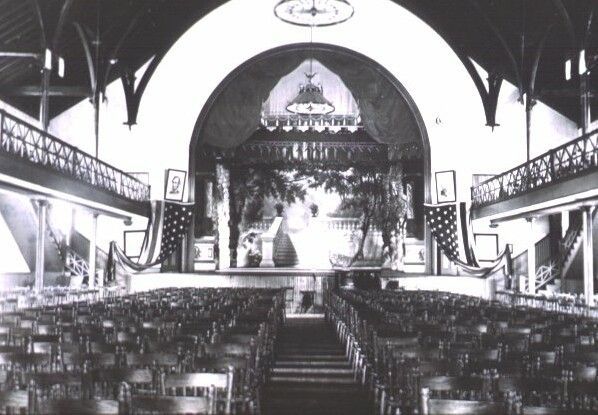
The New York State Soldiers Home
With new, previously unreleased material.
A concise look at the 125-year history of the Bath VAMC,
America’s first landmark investment in the care of its veterans.
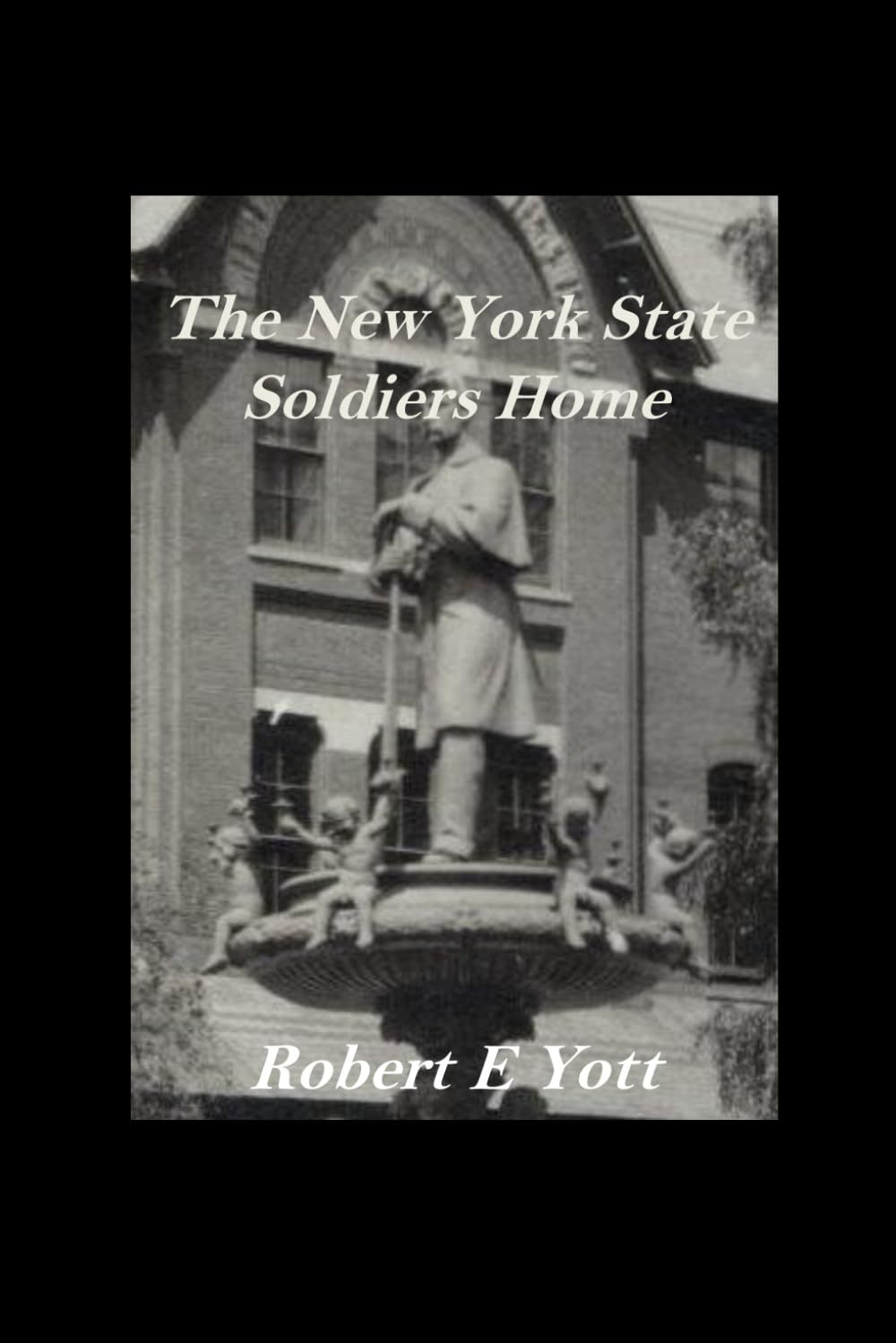
The New York State Soldiers Home
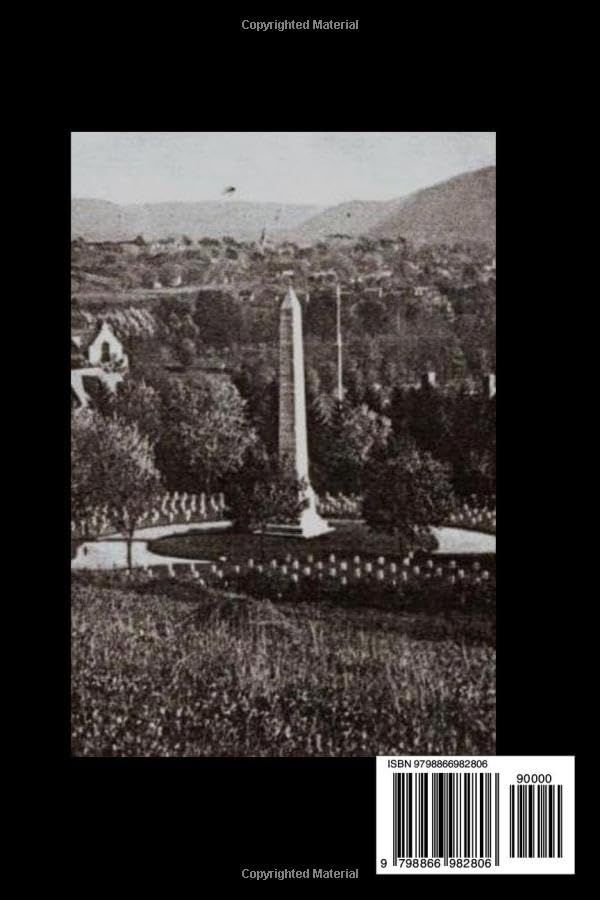
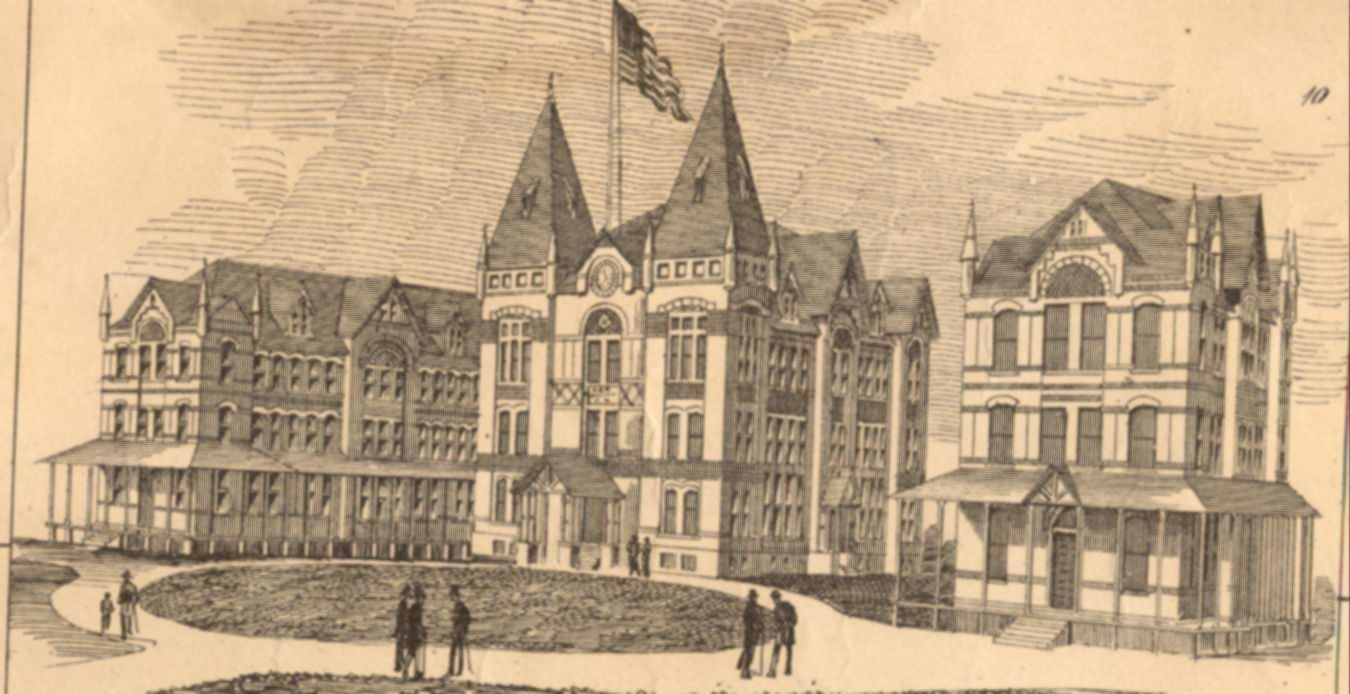
Author Robert Yott has brought to life the story of America’s first significant effort to care for its veterans with the founding of what remains today the Bath VAMC. More than 20,000 attended its opening after the Civil War.
The story of how the Grand Army of the Republic led the fight to build a Home for their less fortunate comrades. New York State had contributed 445,758 soldiers to defend our country.
The citizens of New York responded generously to the call for a home for our nation's heroes.
This is their story.
This is THE definitive book on the old Soldiers Home!
- Publication date : September 27, 2023
- Language : English
- Print length : 331 pages
- ISBN-13 : 979-8866982806
Purchase The New York State Soldiers Home
More From The New York State Soldiers Home
Introduction
1863 - 1879
As the Civil War entered its third year, it became apparent that no end was in the immediate future. By early April of 1863, the casualty list of the northern army had risen to over 101,000 dead, wounded and missing. Obviously, the war was not going well for the North and no immediate end was in sight. It was during this time that ex-Governor Edwin Morgan, whose term as governor just expired, observed many veterans returning to New York disabled, unemployable, and homeless.
Morgan, a veteran himself, had seen the need to establish a refuge for the victims of this American tragedy. With the aid of eighty co-incorporators, Morgan pushed the issue until the State Legislators passed an act to incorporate a State Soldiers' Home on April 24, 1863. This was a full two years before one of the last acts signed by Abraham Lincoln incorporating a National Asylum for disabled volunteer soldiers and sailors of the Civil War.
Large contributions and pledges were made by ex-Governor Morgan and others. However, after a State Board of Trustees canvassed the area, they found that patriotism was running so high in the North that the very thought of returning veterans being turned out into the street or housed in asylums and poorhouses was absurd.
Families and friends of the veterans were reluctant to having them committed to an asylum, a stigma that was not befitting to the returning soldiers. So, due to the lack of public interest, the idea of a soldiers' home was abandoned.
It was not until 1872 that the issue was brought up again. Through the personal effort of Major-General Henry A. Barnum, Commander of the Grand Army of the Republic, Department of New York (G.A.R.) the Legislature passed an act incorporating The New York State Soldiers’ Home. Ironically, no funds were appropriated for the project.
Throughout 1873 and 1874 more attempts made by the G.A.R. for appropriations had failed. It had repeatedly sent committees to the Legislature asking for funding. Finally, in one last effort, Captain Edward C. Parkinson of Brooklyn, Department Inspector, made the recommendation to appeal directly to the public. Captain Parkinson called on leading citizens from Brooklyn, procuring $100 subscriptions, to be paid only when the goal of $10,000 had been reached.
On January 4, 1875, The Honorable John F. Henry, brevetted “Comrade” of the G.A.R., was one of the first to subscribe, along with John B. Norris, A. S. Barnes, B. B. Hagerty, C. P. Dixon, Wm B. Kingsley, J. S. T. Stranahan and Philip S. Crooke.
At the ninth annual G.A.R. encampment held in Rochester on January 20 and 21, 1875, Captain Parkinson recommended that a committee of 15 members be chosen to consider the feasibility of a soldiers’ home. The appointed members were Captain Parkinson, General Henry W. Slocum of Brooklyn, General William Findlay Rogers of Buffalo, John Palmer of Albany, L. W. Fiske of Boonesville, Edmund L. Cole of Troy, John B. Murray, General Stewart L. Woodford, George H. Sharpe, E. Jardine, T. J. Quinn, M. S. Hicks, E. J. Loomis, B. A. Willis, and James E. Curtis. These men were to report their findings at the next semi-annual encampment.