The Soldier's Vote
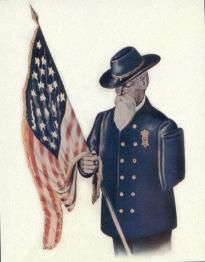
Behind-the-scenes look into American politics of the 19th century. The Soldier's Vote explains historic events which led up to the Civil War and the Reconstruction era which followed.
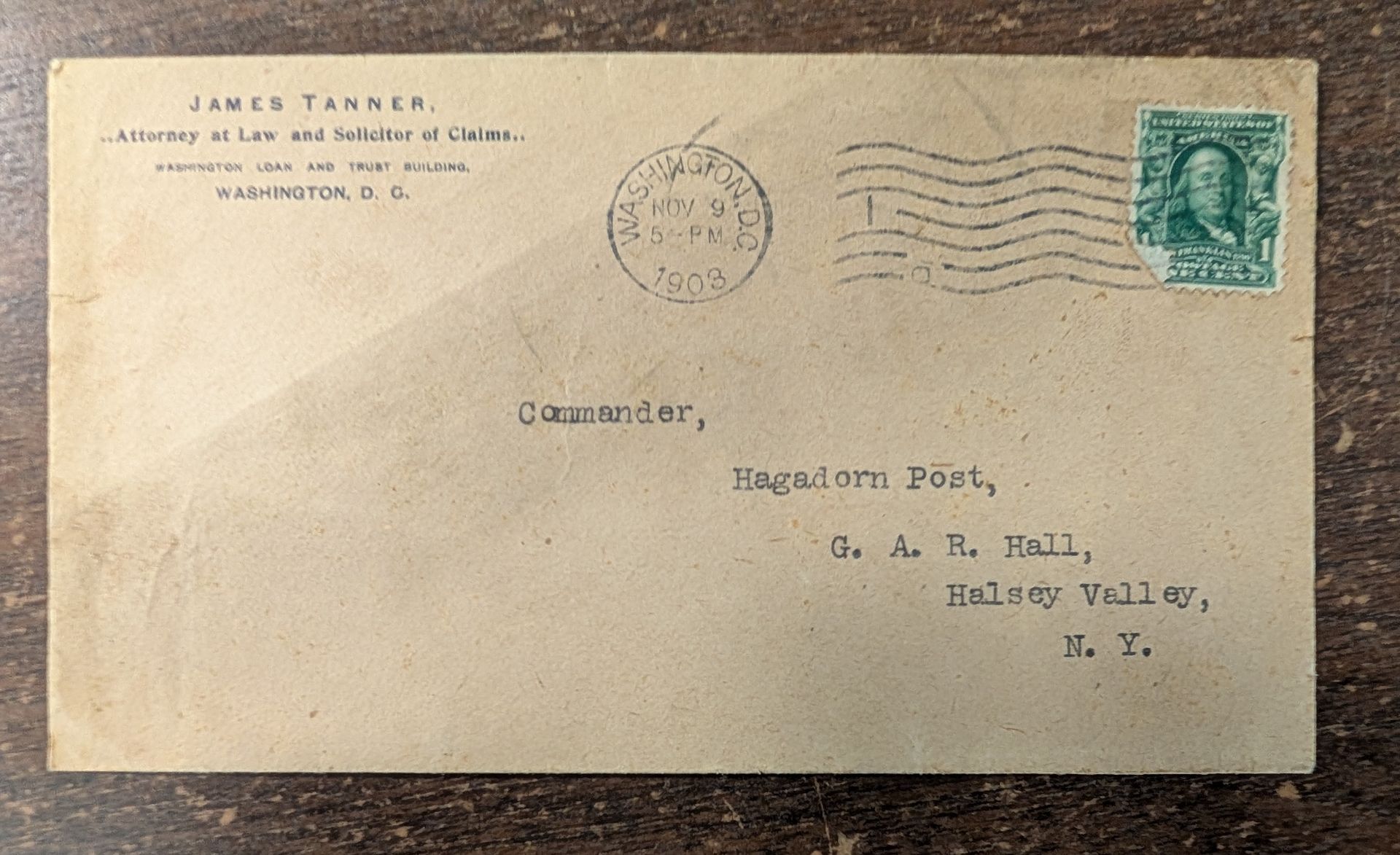
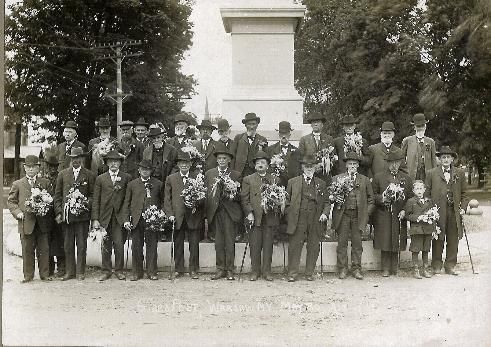
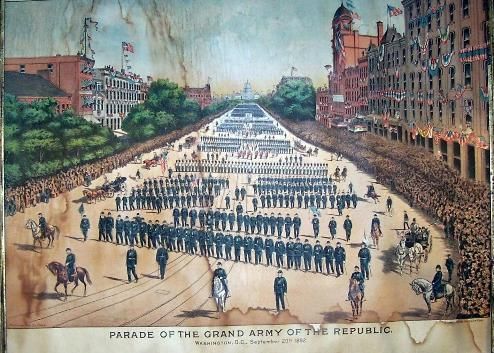
The Soldier's Vote also details how the Grand Army of the Republic became a virtual veteran voting bloc immediately after the war years before transforming itself into the largest, integrated veteran organization of the 19th century.
- Publication date : March 2, 2026
- Language : English
- Print length : 263 pages
- ISBN-13 : 979-8250485920
Purchase The Soldier's Vote
More From The Soldier's Vote
NO MORE COMPROMISES
Raising an army to wage war is as old as civilization itself. Whether it was for personal, political, religious, or social purposes, man has always been to ready and willing to shed the blood of their fellow human being in the name of their cause. And the monumental experience which took place in our own history during the mid-19th century was no different.
This curse was never mentioned in the Constitution by name but it was referred to directly. Its' principle was detested; its necessity tolerated. By skillfully burying it in the text of our famed document our forefathers, unable to agree on the issue had unknowingly cursed this fledgling nation with a system which they themselves could neither embrace nor toss away. Since the birth of this nation, two sections of the country would be at odds over this issue. Northern abolitionists had detested holding another human being in bondage while in the south it was an accepted practice. And whichever side had more representative in Congress could technically control the status of this institution.
In order to gain more representation, 30,000 citizens were needed to gain one representative, slave owners wanted slaves to be counted since they outnumbered whites. To the northern abolitionists and anti-slavery crowd, this was absurd. If southerners, who considered their slaves as property and yet demanded they should be counted, then the northern crowd insisted on using their property such as horses, cattle, mules, and furniture to be counted towards representation as well.